Hello, my name is Maxim, and I am currently part of the Communication Design MA programme at Gray’s School of Art in Aberdeen. I will be focusing my project on issues concerning migration.
My dad said the jacaranda in front of my house started as a bonsai he bought in a market in Mexico City for my sister. It was planted in a clay pot and left on the back patio when they left to Japan. He said that by the time they came back to Mexico with me, the bonsai’s roots had grown, broken the clay pot that contained it, and planted itself in the ground. He then moved it to the front of the house and the bonsai became a tall, jacaranda tree.
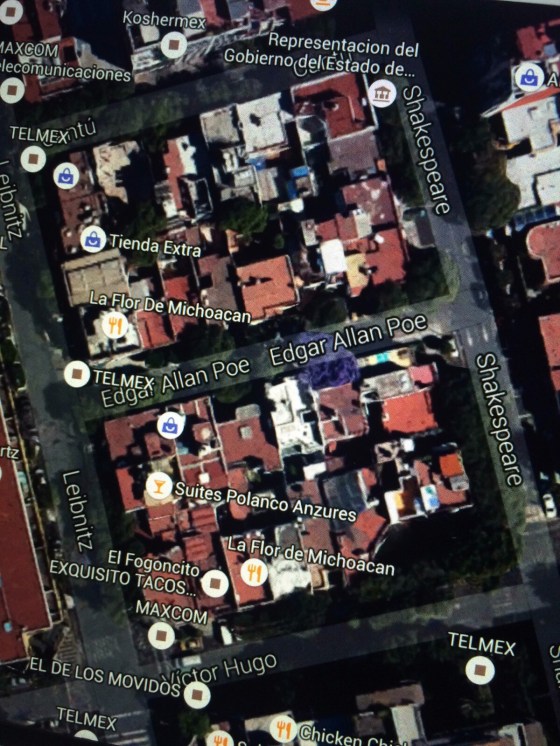
The image is a screenshot from the satellite view in Google Maps of my neighborhood. The purple shape is the top of that jacaranda tree in spring time.
This is the translation of part of a text I wrote five years ago, when I first moved to the Netherlands. It’s about culture shock and how I found it in the way people relate to their flowers in different countries.
«Even flowers are tall in the Netherlands. Roses and camellias grow in bushes that look like trees. In Mexico, Peruvian lilies grow up to my ankle, in pots, and to see them one would have to be invited to someone’s back back patio or be able to jump really high over fences. In my mother’s house, we protect our purple wild potato vine more than the silverware. In the Netherlands, gladiolas grow on the streets, without barbed wire fences or gates to separate them from the noses of those who instinctively pull their faces close to them. I was taught that flowers were for smelling.
In the Netherlands, flowers are to be admired. They are bought in bulk on markets: tulips, mistletoe and daffodils, and windows are kept impossibly transparent to display them. Window ledges fit more than one vase, and, in Mexico, they are small enough so that a foot won’t.
When roses were planted in Reforma Avenue, men in suits would cut and take them, and women would take little plastic bags to bring them home, roots and all. Joggers would even bring tiny shovels with them to facilitate the unplanting. In the Netherlands, vines grow without these fears. In the Witte Singel canal, flowers remain untouched for so long that grow to be as tall as walls.
In the front patio of my mother’s house, there are azaleas, fuchsias and night-blooming jasmines. It is in the back where she keeps her arum and yellow lilies and agapanthus. I learned that polen makes me sneeze by touching the pistils, and realized I am alergic to marigolds when I plucked its petals. In the Netherlands, I can’t find out what those white, poppy-looking flowers smell like. It seems they respect them too much for that sort of craziness. In Mexico what is crazy is that in the Netherlands they have gardens on the front of their houses that are open to the public. They are called «hofjes».
In Mexico, the only plant that can be out on the streets is the jacaranda tree because it is tall enough, so that no one plucks its petals, and sufficiently democratic to cover all sidewalks with its purple flowers.»
I thought about the botanical booklet I want to make.
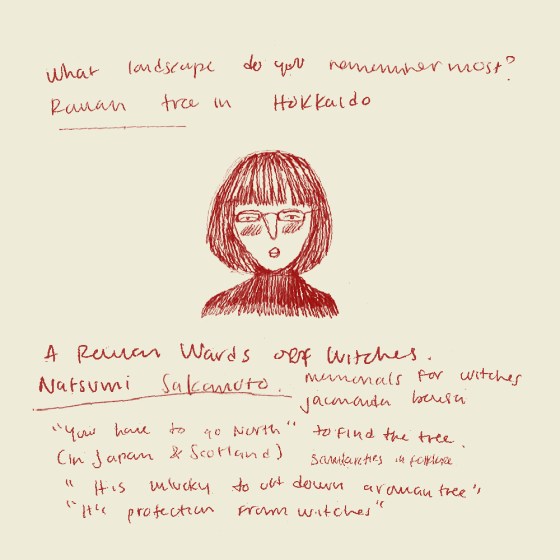
Natsumi Sakamoto came to Gray’s to talk about her work about the rowan tree or nanakamado, in Japanese. She found similarities between Scottish and Japanese mythology surrounding the tree and found how it related to gender issues that are still relevant today in Japan.
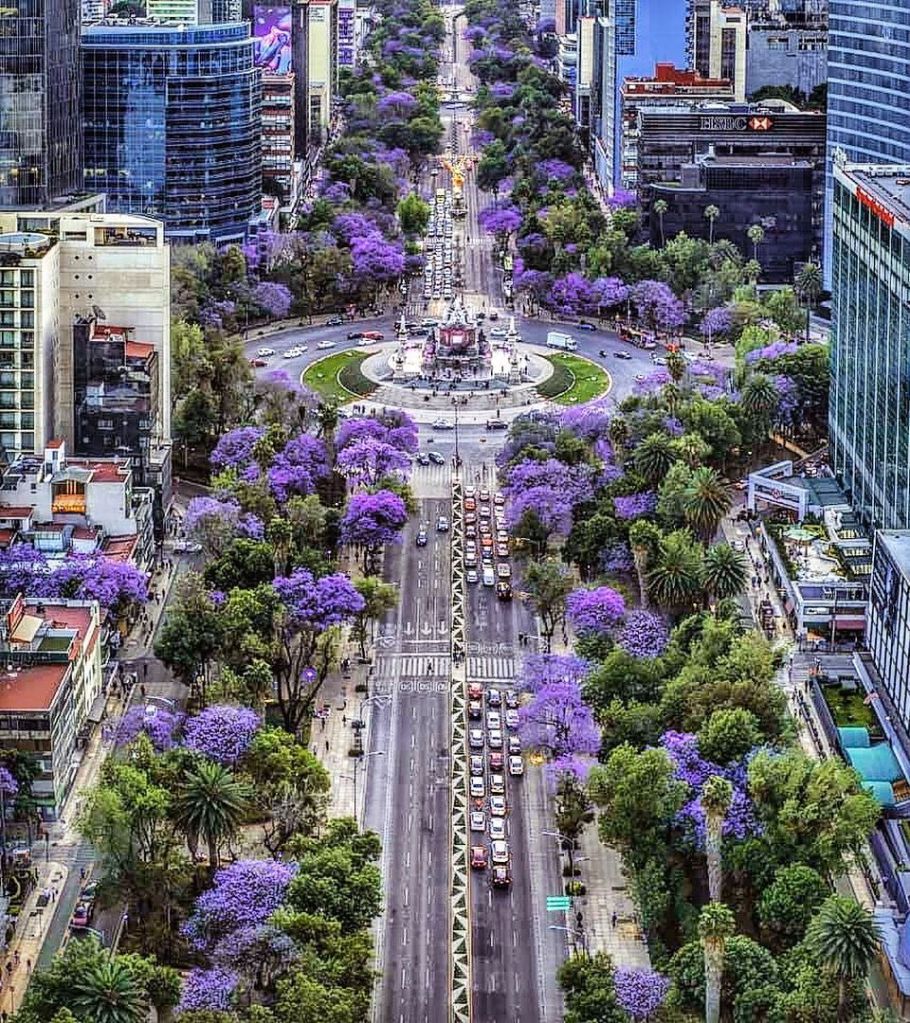
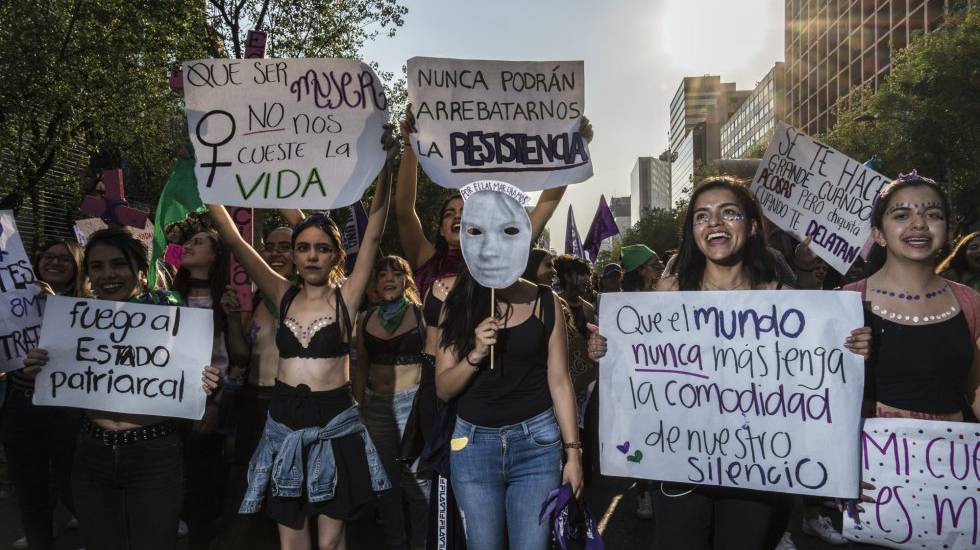
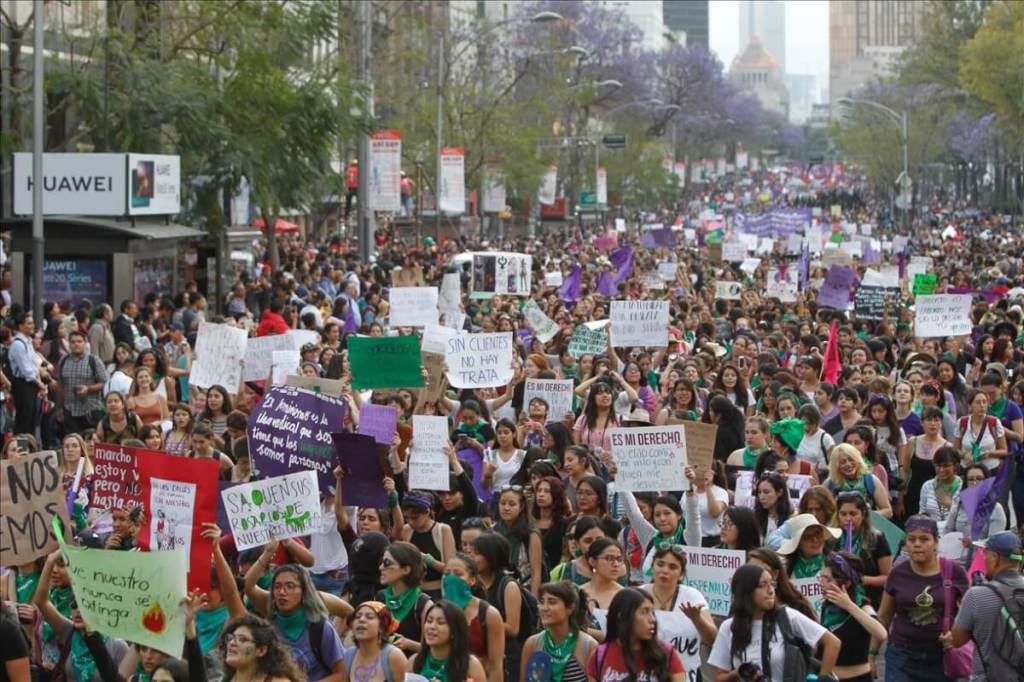
It got me thinking about the recent murder of Ingrid Escamilla, and how a practice such as burning witches is still metaphorically and physically alive in many countries like mine. Natsumi’s video reminded me of jacaranda trees, which are so symbolic of Mexico City, but started as a gift from the Japanese in the 20’s. You can see them everywhere in the city, but mainly in Reforma Avenue, which is the place where most demonstrations take place.
She talked about how her interest had started when she asked her grandmother the question: Which landscape do you remember most? And I asked myself the same thing and, with Ingrid in mind, the landscape that came to mind was Reforma Avenue, surrounded by jacarandas and people marching to protest femicides.
I thought it was very interesting how she started her whole project from something so personal and managed to create a visual work that talks about so much more.
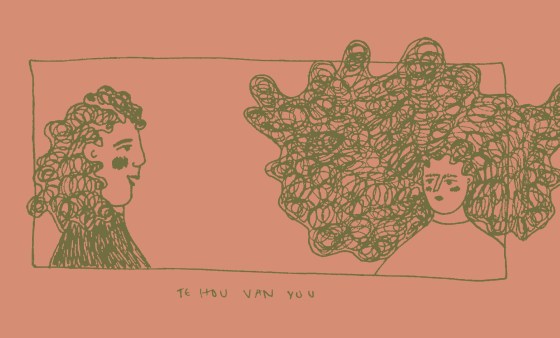
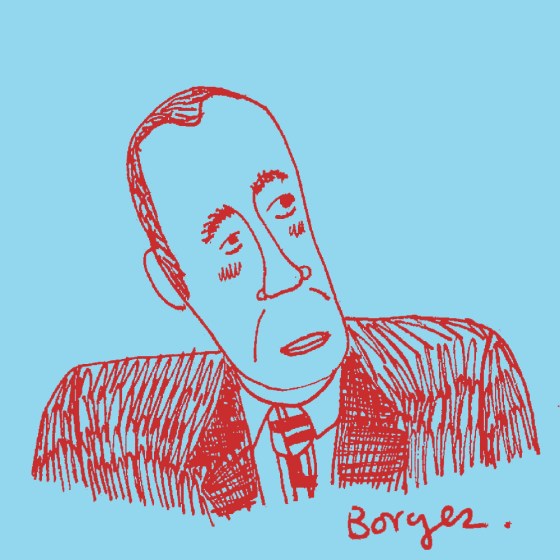
Whenever my words get lost in translation, I find good ones in things he said about the beginning of words and the aesthetics of language: «Seven Nights. Poetry. (From page 61)».
Talking with Jon, we discussed the portability of grief, and how we have emotional connections to metadata in the form of an online photograph, an audio file of someone’s voice, someone’s email address, or a video of someone’s childhood. These .jpegs, .mp3s and .mp4s are a kind of digital, portable memorials. I want to explore this idea more.
I think of the flower arrangement my dad made a day before he passed away, and how we kept all the flowers pressed in his heaviest books. Maybe it can be a digital, botanical booklet.
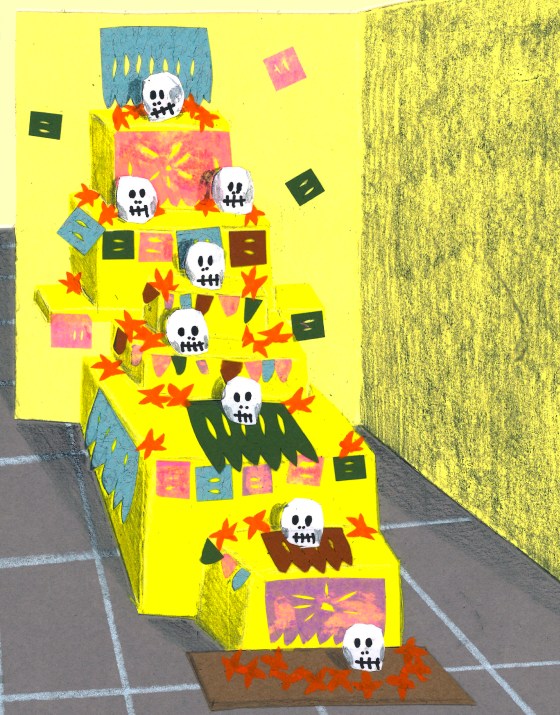
I think of green tomatoes and Mexican dishes I miss and Day of the Dead shrines. How would can they function as digital, portable memorials?
I think of the audio files I thought I had lost of my dad’s voice and a voice note my mom sent me talking about how she’s processing everything without her daughters home. Maybe there’s something to be explored there as well.
With wanting to focus the narrative and story more on my personal experience, I started a draft of what this story would say and look like.
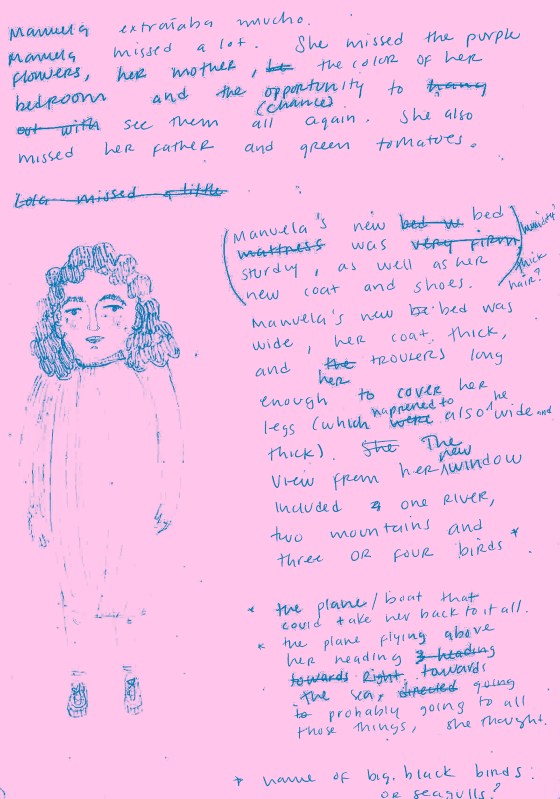
I struggled with the language because when i write in Spanish I use wordplay frequently, and it is difficult to translate that rhythm to English. For example, the word “miss” in Spanish is “extrañar”, which means both “to miss” and “to think something is odd”. I wanted to start by saying “Manuela extrañaba mucho” which translates to “Manuela missed a lot”. In Spanish that sentence would say that Manuela missed a lot of things and was also thought as strange.
These are a couple of sentences that begin the story:
Manuela missed a lot. She missed the purple flowers, her mother, the color of her bedroom, and the plane flying above her heading towards all those things, she thought. She also missed her father and green tomatoes.
Manuela’s new bed was wide, her coat thick, and her trousers long enough to cover her legs, which happened to also be wide and thick. The view from her new window included one river, two mountains and three or four birds. She didn’t know with certainty because seasons here changed before they could get acquainted.
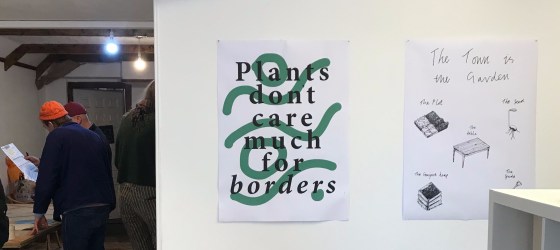
We went to Huntly, to the Devron Projects. The first thing I noticed was a poster that said «Plants don’t care much for borders», and I thought it was quite beautiful and pertinent. The second thing I noticed were two books on the shelves: «Radical Gardening: Politics, Idealism & Rebellion» by George McKay and «On Guerrilla Gardening» by Richard Reynolds.
In Mexico, I had thought about how meaningful and powerful it was to grow certain things in different contexts. Growing organic corn as a form of rebellion against Monsanto, patented fields of corn, or continue to grow beans when weed is more profitable, or selling oranges and coconuts from your trees on the side of the highway without the need of a middleman.
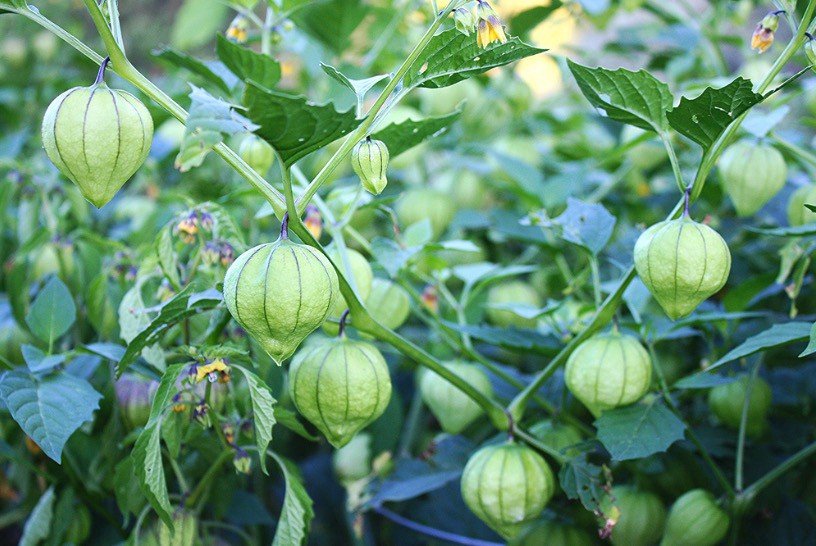
After thinking about these acts of resistance, I thought again of green tomatoes (or tomatillos) and how my identity as a Mexican is deeply embedded in them. Tomatillos are quintessential to green salsa, green salsa to enchiladas, enchiladas to a meal, a meal to a party and a party to a home.
However, it’s always hard to get them outside of Mexico, and, most times, I can’t bring them or their seeds on an airplane. Even though plants don’t care much for borders, humans care much about their placement. This got me thinking: How can I bring tomatillos with me everywhere I go? I though about a pop-up plant of tomatillo.
A plant of tomatillos.
At Devron Projects, they talked about the opening of a cafeteria and how they wanted to prepare food with what they grow in their orchards. Daaf had told me they had been wanting to make recipes that the migrant and refugee community in Huntly were missing. I think these acts of growing and preparing food making go back to the power of hosting and not feeling like you are always a guest.
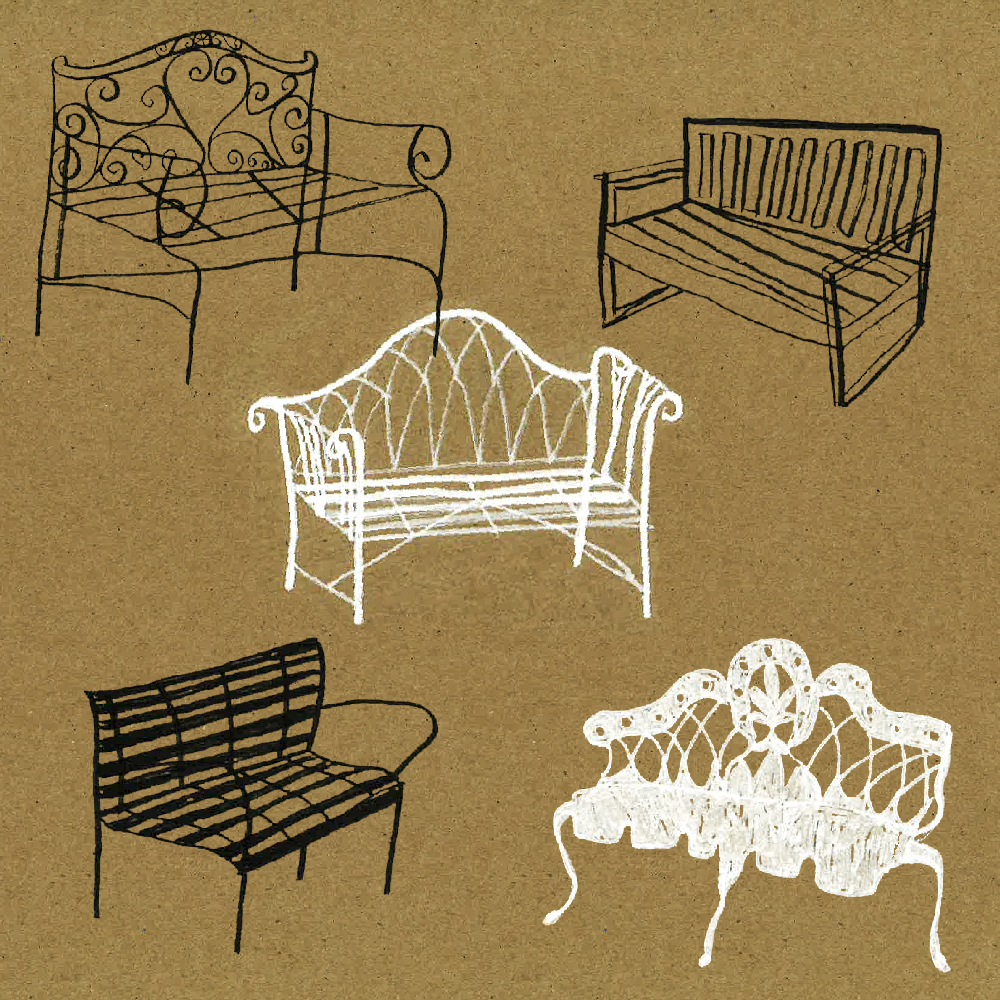
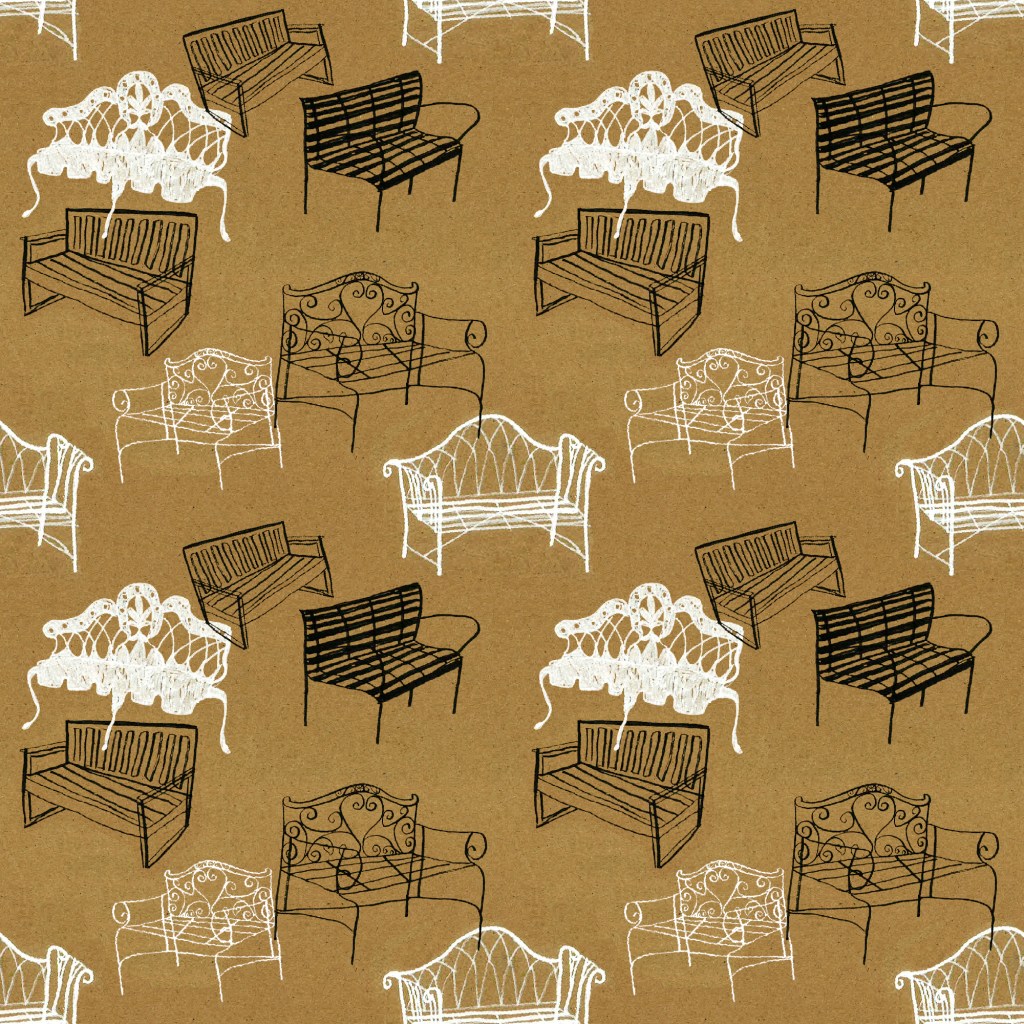
I made these drawings of benches, using ink and acrylic paint on craft paper. I then digitally retouched it and made it into a rapport, then a pattern. I thought that it could be a practical, portable way to document memorial benches.
 Maxim Zaragoza