Autor: Maxim Zaragoza
Maxim nació en Tokio en 1993. Ahora vive en México en una casa con un jardín muy bien cuidado. Está acabando sus estudios en Comunicación y Periodismo.
Por el momento escribe, hace música, poemas, chistes y documentales. Lo que más le gusta es hacer perfiles. Curiosa, pues.
Escribe canciones y cuentos para niños, algunos los ilustra. Siempre interesada en asuntos de interculturalidad y derechos humanos.
De repente toma fotos muy bonitas, otras veces no. No maneja bien pero hace muy buenos jugos.
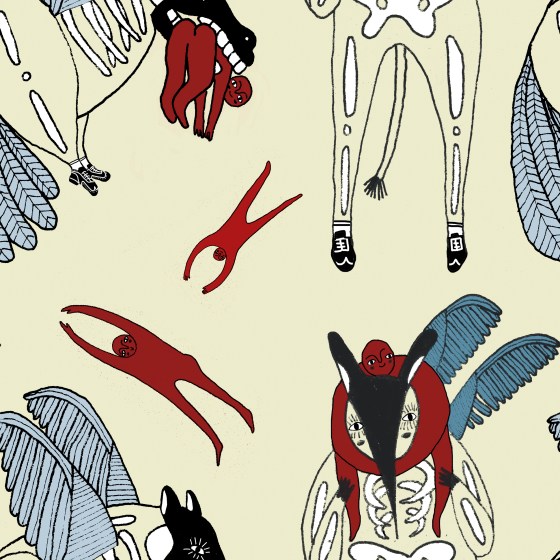
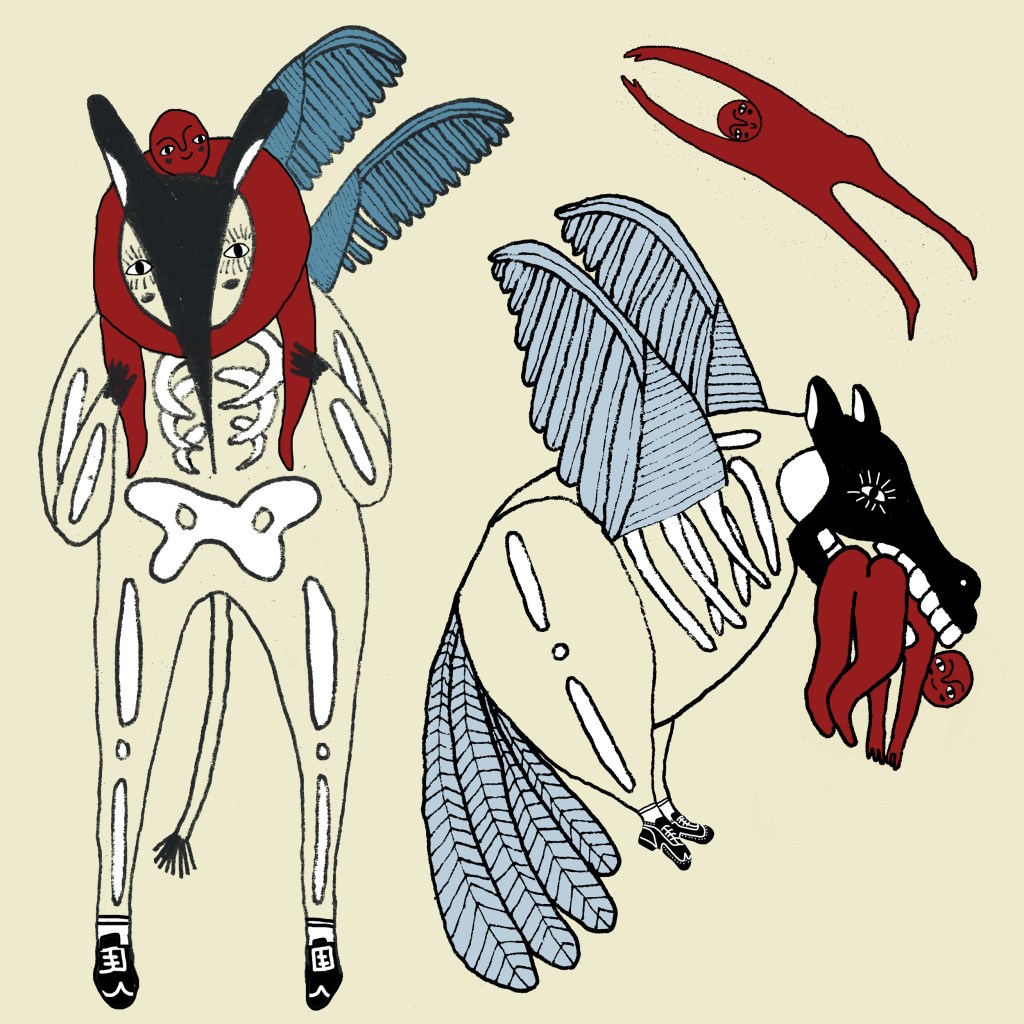
Little souls riding psychopomps
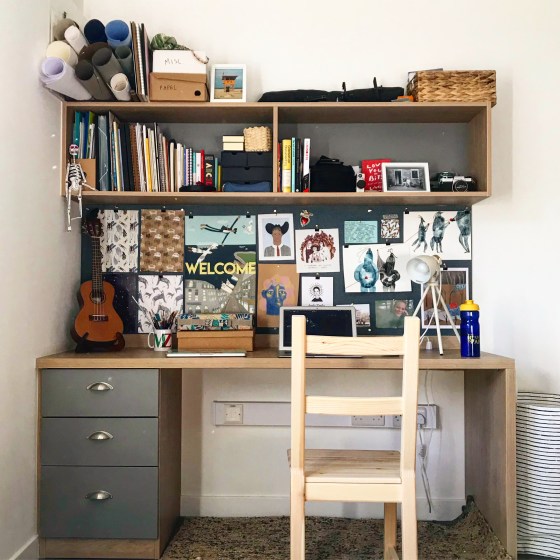
I also have breakfast here.
A week passed before I could think clearly and decided to stay in Aberdeen. It was the more logical thing to do. My mom was going to come visit, but we obviously cancelled that. It is uncertain when we’ll meet again, but it gives me a little peace of mind to think that this distance is keeping us a little more safe. I unpacked my studio and moved it to the desk I share with my husband.
Before/After pandemic

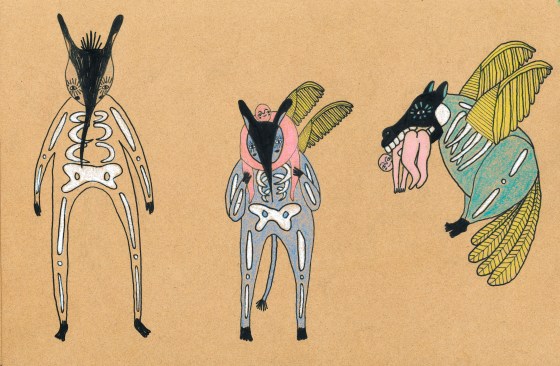
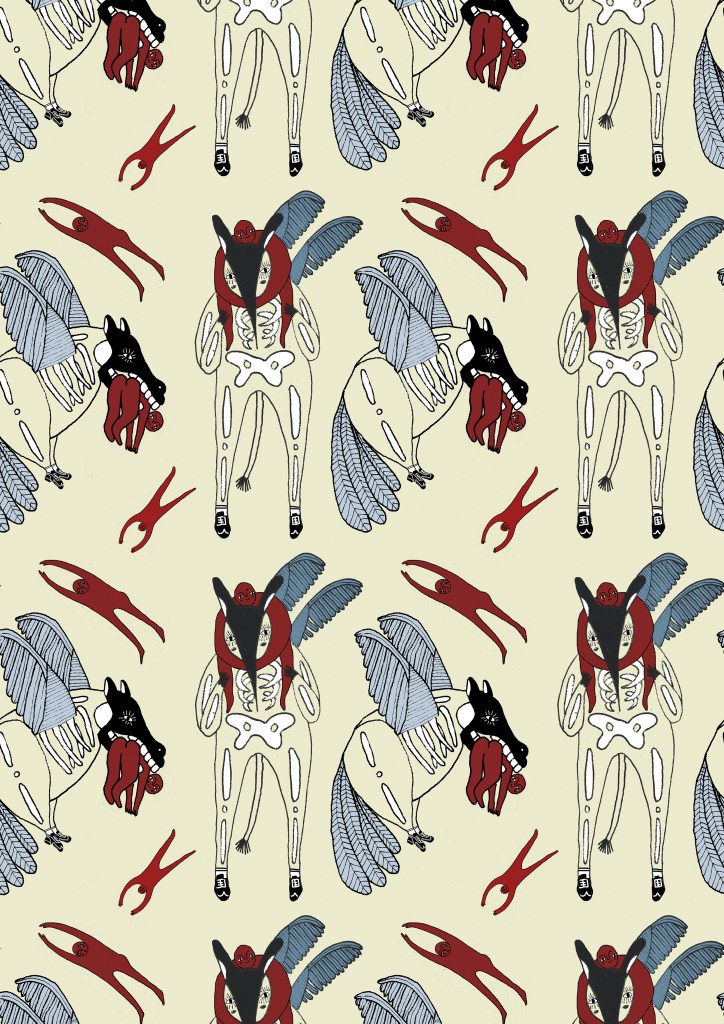
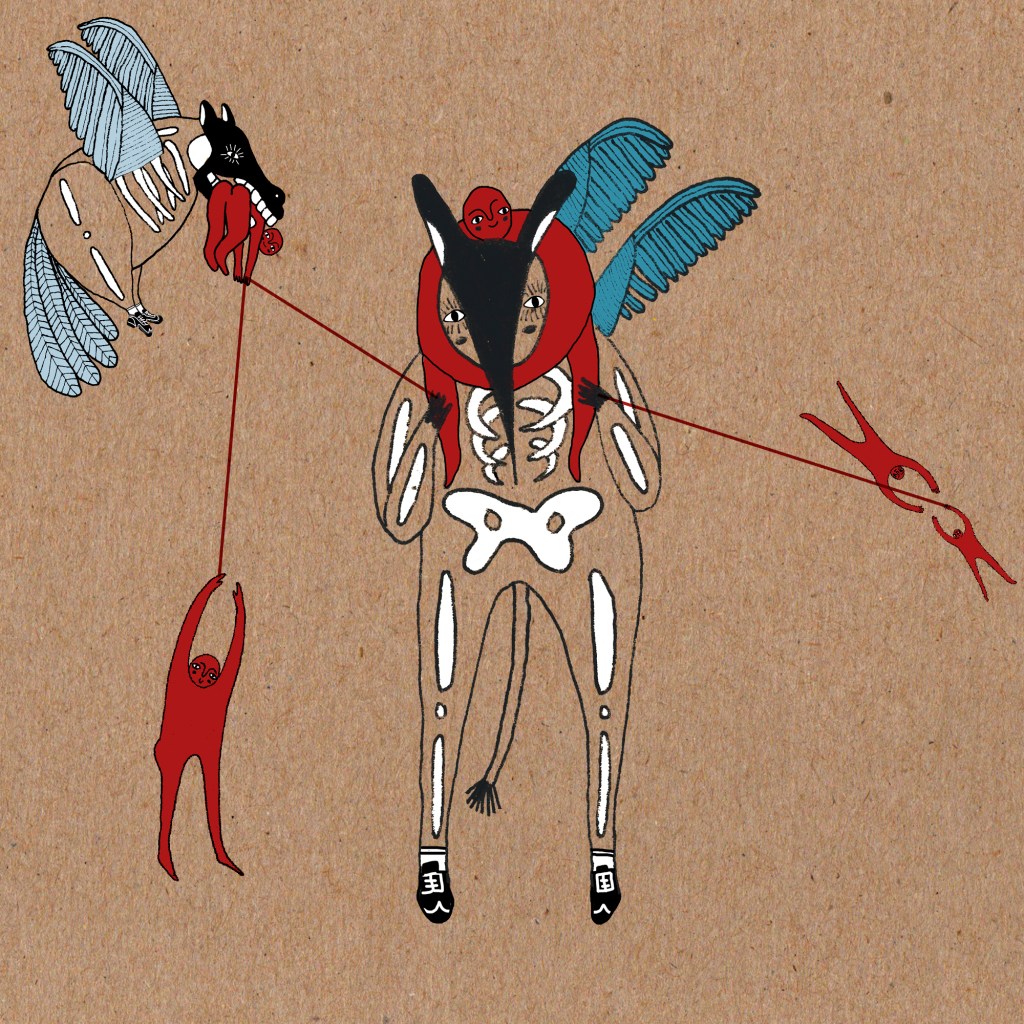
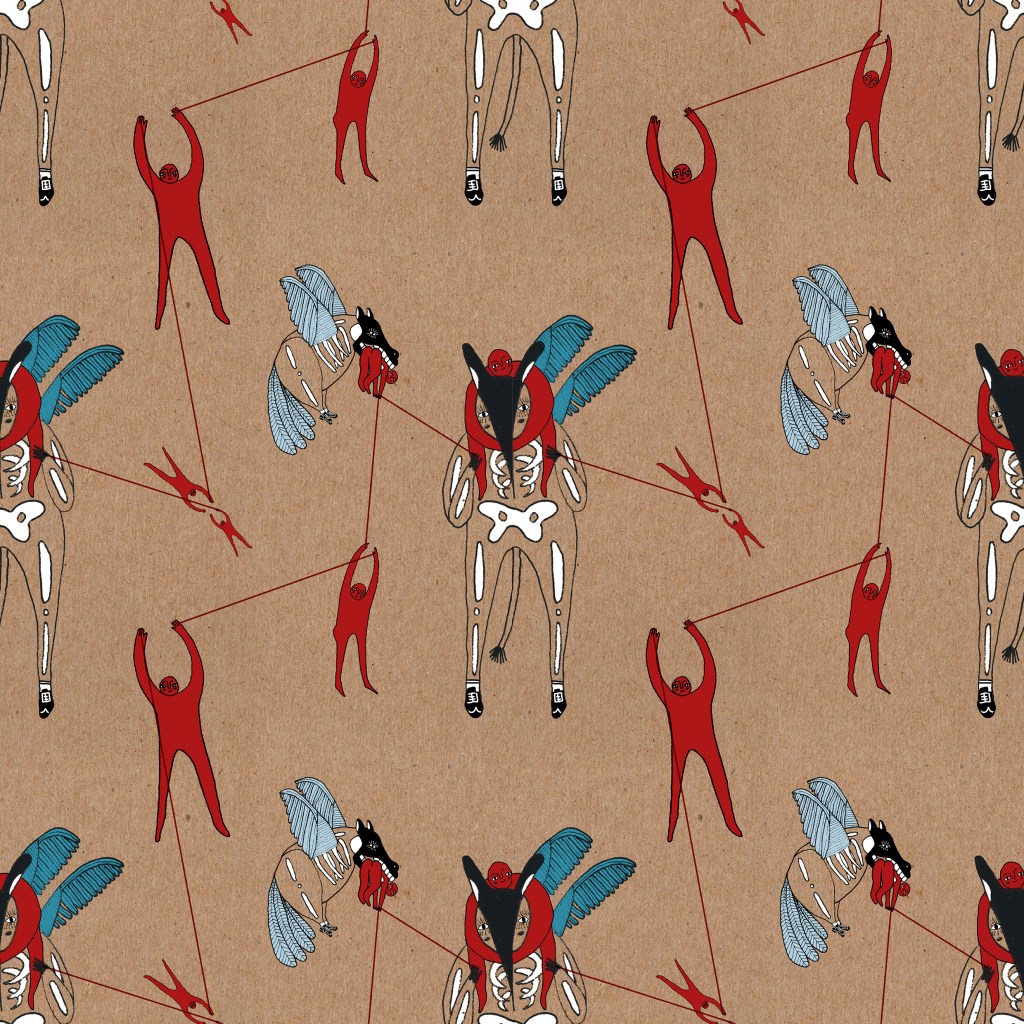
A Scottish/Mexican Alebrije
I thought it was quite interesting how both mythologies share similar elements, such as the animals that –for different reasons perhaps– carry humans across the river, or the imagery of mountains and natural elements, like storms.
This is why I thought it would be interesting to explore the concepts of cultural juxtaposition through these stories, which is why I thought of creating a new Scottish-Mexican psychopomp, in the form of an alebrije.
Alebrijes are colorful creatures made with papier-mâché or copal wood. They are a combination of different animals and essential to Mexican folk art.
I thought about a new myth that combines Scottish and Mexican folklore, where horse/hummingbird alebrijes guide souls through the river towards the afterlife, which is maybe upstream, towards the mountains.
A short video about the history and making of alebrijes here:
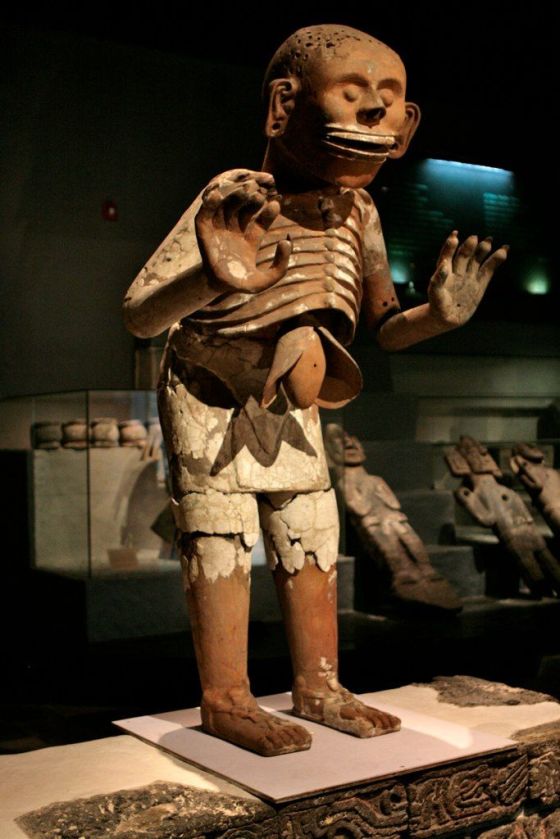
Mictlán
In Aztec cosmogony, the xoloitzcuintle –a black, hairless dog– is responsible of carrying souls along the river of the underworld. The underworld, or Mictlán, is divided into nine different realms, each a part of the process of shedding your possessions, body, and heart to eventually become your essence and meet the god Mictlantecutli to become one with everything again. This journey takes four years.
– In the first realm, if you are kind to dogs in life, the xoloitzcuintles will guide you through the Apanohuacalhuia river, where Xochitónal, the giant iguana lives. This is the border between the world of the living and the dead. However, If you were not kind, you will get lost, become a shadow, and have perpetual ear pain because the air next to the river is cold.
– The second realm is the place where mountains collide, and in order to cross, you have to do so at the precise time, or else you get crushed by them.
– The third realm is where you have to walk along a mountain trail made of sharp obsidian. The wind is very strong here and sheds you of your possessions.
– The fourth realm is a frozen area with sharp rocks and it always snows.
–The fifth realm is a region of strong winds and no gravity, so souls are at the mercy of the direction the wind takes.
–The sixth realm is a broad path where invisible hands shoot sharp arrows to your body.
–The seventh realm is where wild animals open your chest and jaguars eat your heart.
–The eighth realm is where the Apanohuacalhuia river ends, and the souls have to cross nine deep rivers of the state of consciousness, in order to get to the other side of the valley.
–The ninth and final realm is a foggy place where souls can’t see, and their tiredness makes them reflect on their lives. Here souls become one with everything and stop suffering. Then, they meet Mictlantecuhtli and Mictecacíhuatl, the god and goddess of death.
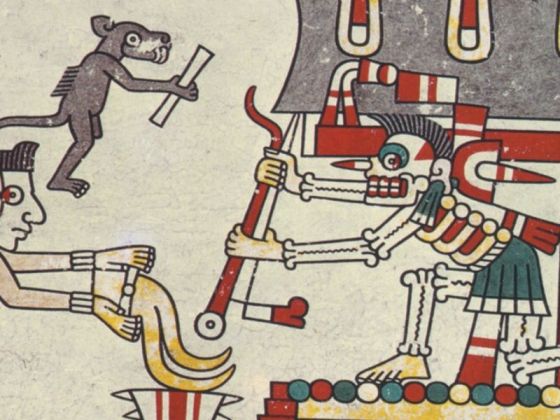
Psychopomps
Psychopomps literally translates to “guides of souls”; it has greek roots and refers to creatures in different cultures responsible of guiding the newly deceased to the afterlife. Some are depicted as anthropomorphic entities, dogs, horses, or birds.
Plant languages
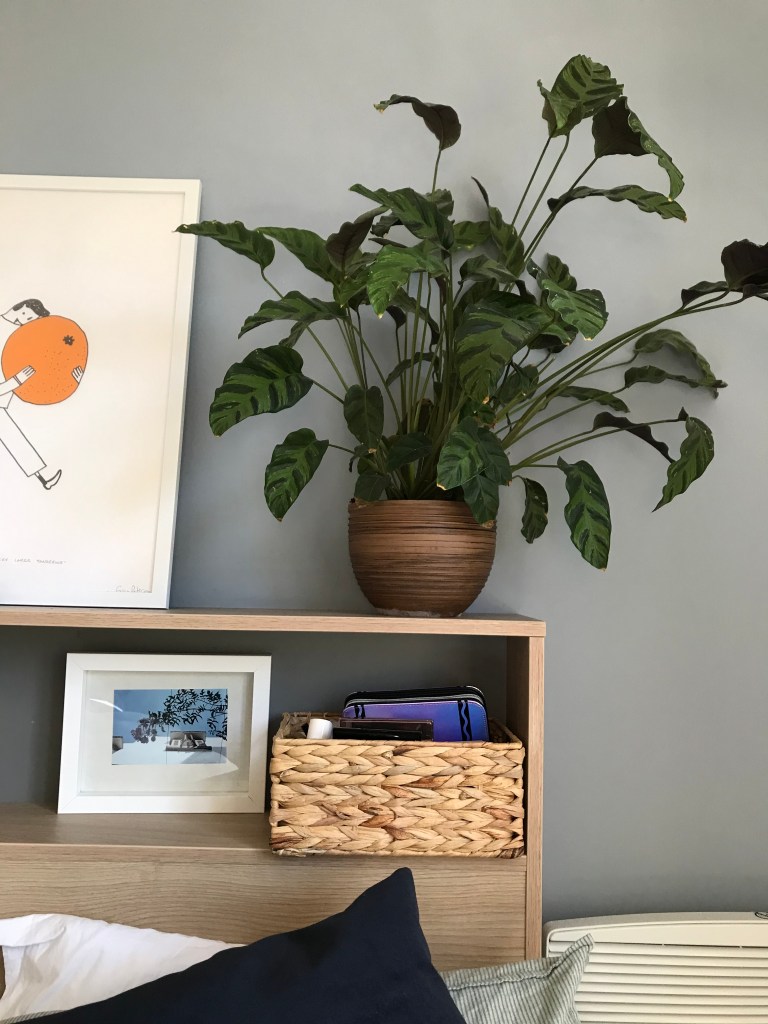
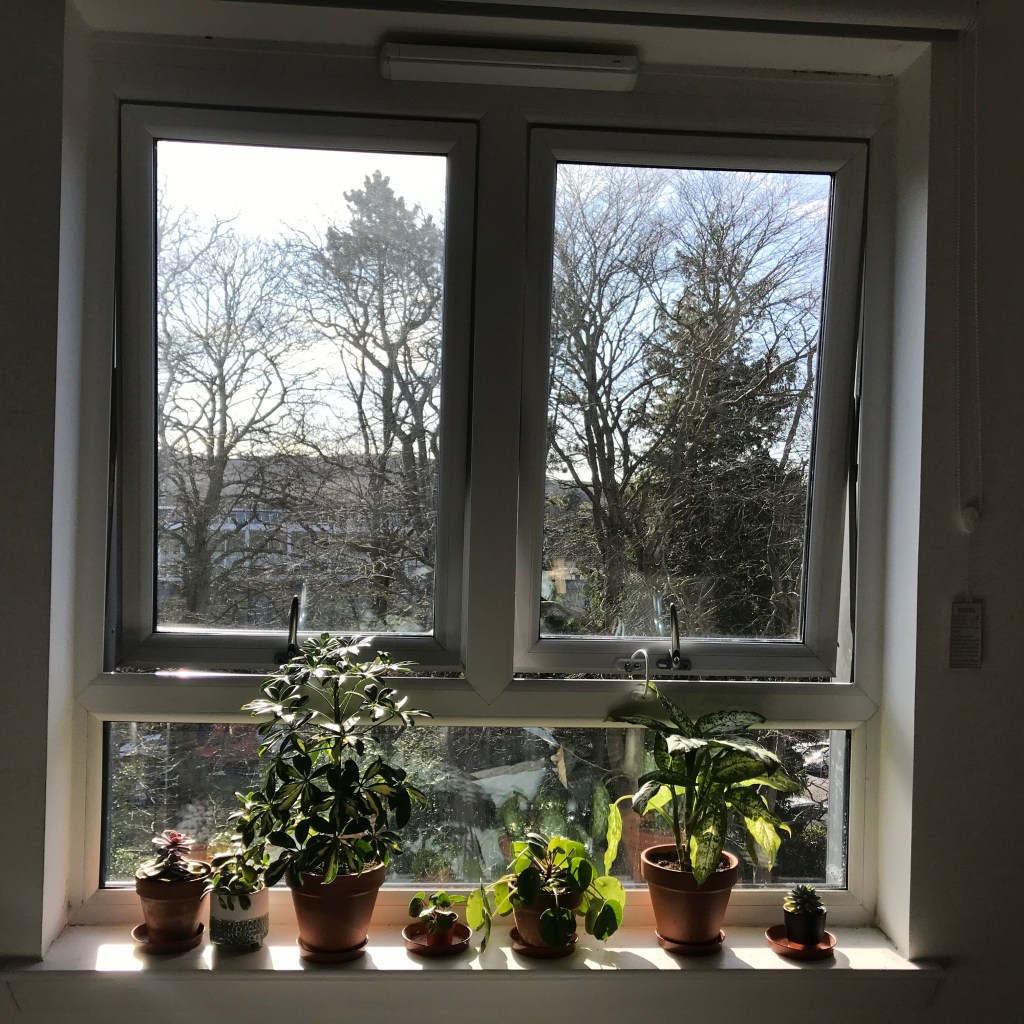
Mileece is a musician that created a system that lets plants «sing». She enabled plants to make organic electronic music through their interaction with human contact and electric impulses. I thought it was interesting how she «gave plants a mouth» and with it, a universal code for plant/human communication.
Rowan jelly
Kelpies
Ben told me about kelpies and I found the Scottish mythology surrounding water and death very, very interesting.
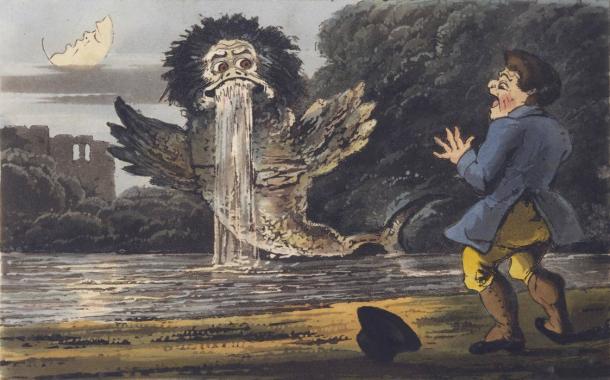
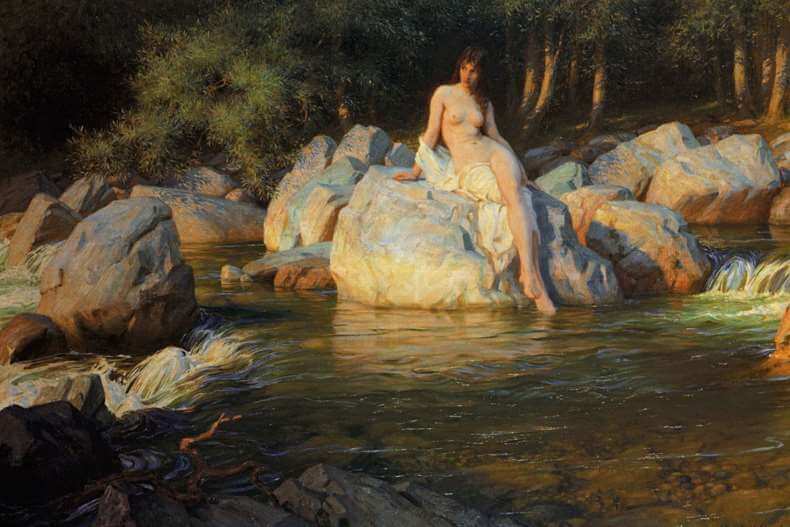
In Scottish mythology, kelpies are aquatic shape-shifters that haunt rivers in the shape of horses.
“The kelpie may appear as a tame pony beside a river. It is particularly attractive to children – but they should take care, for once on its back, its sticky magical hide will not allow them to dismount! Once trapped in this way, the kelpie will drag the child into the river and then eat him. These water horses can also appear in human form. They may materialize as a beautiful young woman, hoping to lure young men to their death. Or they might take on the form of a hairy human lurking by the river, ready to jump out at unsuspecting travelers and crush them to death in a vice-like grip. Kelpies can also use their magical powers to summon up a flood in order to sweep a traveller away to a watery grave. The sound of a kelpie’s tail entering the water is said to resemble that of thunder. And if you are passing by a river and hear an unearthly wailing or howling, take care: it could be a kelpie warning of an approaching storm. But there is some good news: a kelpie has a weak spot – its bridle. Anyone who can get hold of a kelpie’s bridle will have command over it and any other kelpie.”
 Maxim Zaragoza